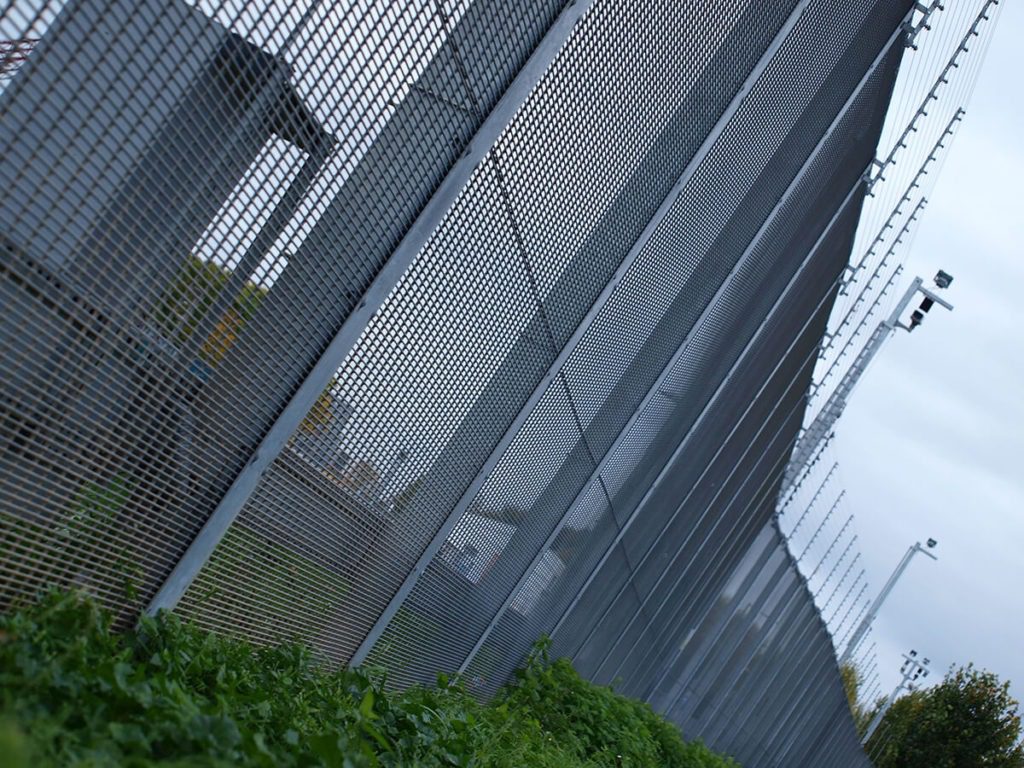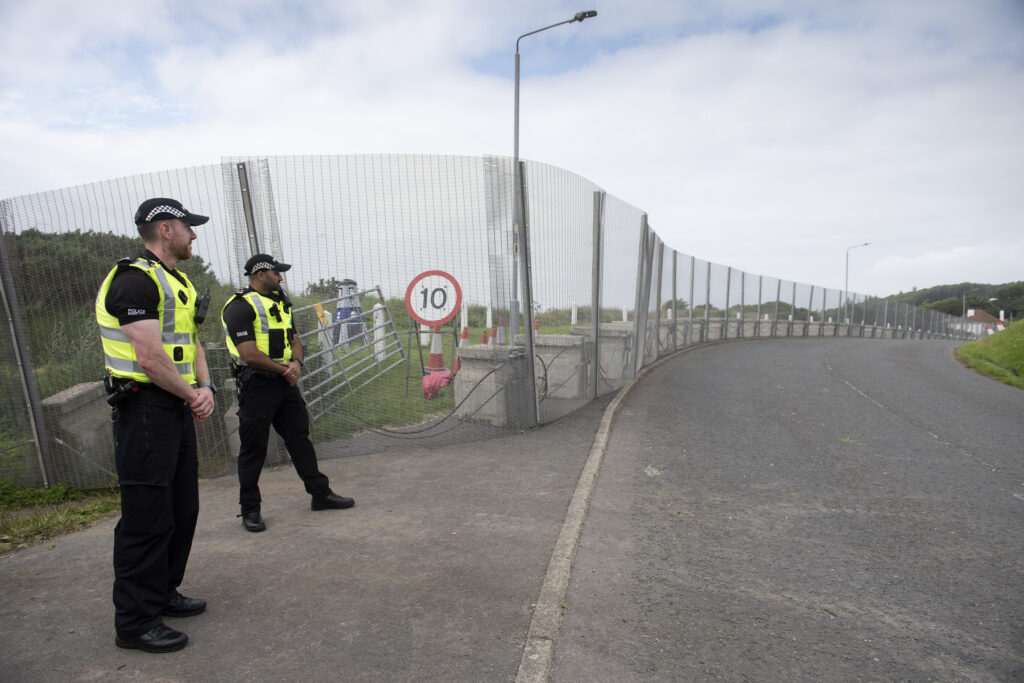
Designing schools and education campuses has never been more complex. Architects are expected to create welcoming, inclusive and community-facing environments, while also responding to safeguarding responsibilities, planning scrutiny and long-term operational realities.
Perimeter design often sits at the centre of this tension.
Too frequently, boundary strategy is introduced late in the design process. It appears in response to safeguarding reviews, planning comments or operational concerns, at a point when site layout and landscape decisions are already fixed. The result can be retrofitted fencing, compromised placemaking and unnecessary redesign.
Our RIBA CPD, Designing Educational Perimeters: Safeguarding Without Compromise, focuses on addressing perimeter strategy at the right time, during RIBA Stages 0 to 3, when design flexibility still exists.
Why Perimeter Strategy Matters in Education Design
Education sites are fundamentally different to most other building types.
Primary and secondary schools must prioritise safeguarding during the school day, particularly around arrival, departure and external learning spaces. Further education colleges operate as open campuses with mixed age groups and extended hours of use. Universities often balance permeability and public realm integration with the protection of sensitive buildings and student accommodation.
In each case, the way boundaries are conceived directly affects movement, supervision, behaviour and perception.
Perimeter design is not simply about fencing. It is about spatial hierarchy, site zoning and how public, supervised and secure areas are defined through layout and landscape.
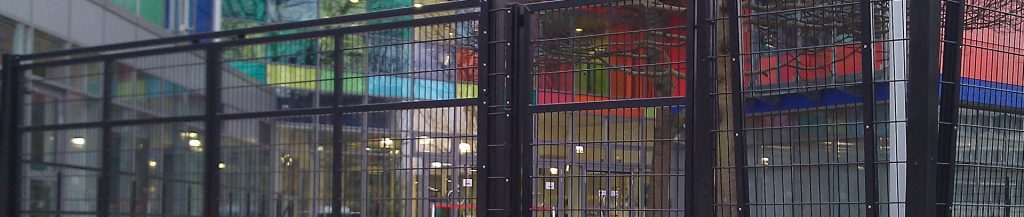
Safeguarding, Security and Supervision
One of the key themes explored in the CPD is the distinction between safeguarding, security and supervision.
Safeguarding focuses on protecting children and vulnerable users through appropriate site organisation and oversight. Security relates to controlling unauthorised access to buildings and assets. Supervision concerns visibility and predictable movement.
Confusion between these concepts often leads to inappropriate boundary responses. Treating safeguarding as a design question rather than a product decision allows architects to embed movement control, visibility and passive oversight into the site from the outset.

Planning Sensitivity and Community Interface
Boundary treatments are among the most scrutinised elements of education projects at planning stage.
Issues of visual impact, height, rhythm and permeability frequently attract comment from local authorities and neighbouring communities. A proportionate, context-responsive approach is essential.
The CPD explores how to frame perimeter decisions within a planning narrative that focuses on safeguarding outcomes, movement and supervision rather than security language. Presenting boundaries as part of a coherent design intent strengthens planning submissions and Design and Access Statements.
Specification and Whole-Life Thinking
Even well-considered perimeter strategies can fail if coordination and specification are unclear.
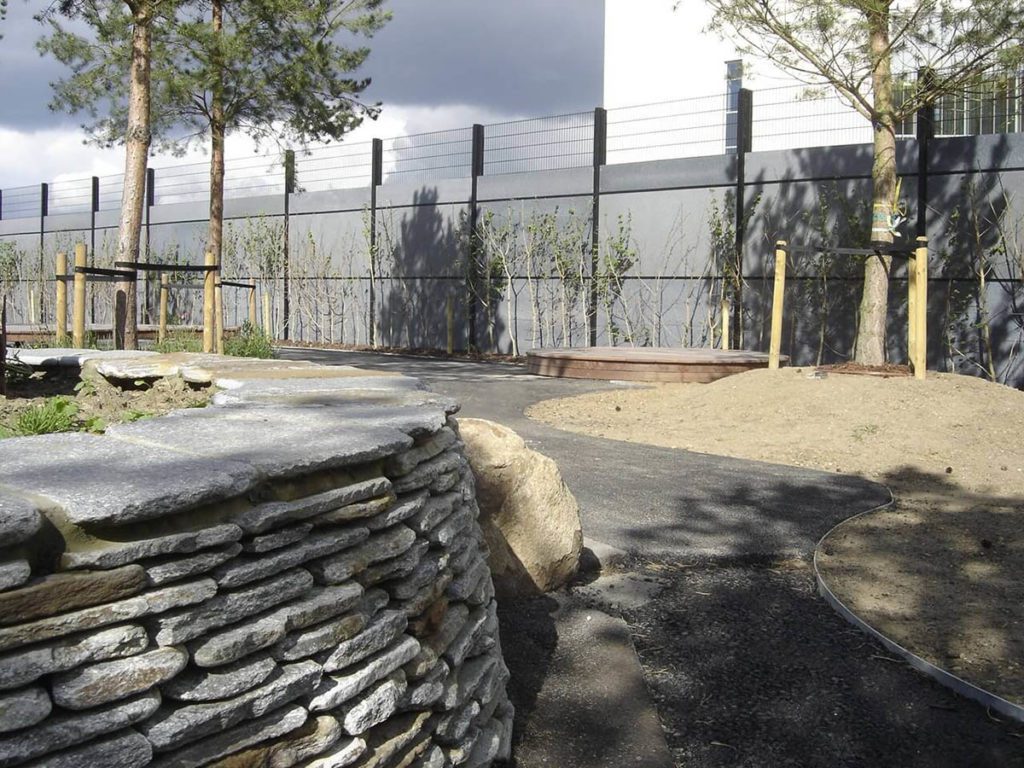
Education sites often involve complex interfaces between architecture, landscape and civils. Level changes, transitions and long-term maintenance requirements must be considered early to avoid redesign and compromise on site.
Whole-life thinking is also critical. Boundaries are long-term elements of the education estate and must be durable, maintainable and adaptable to future operational change.
A Design-Led RIBA CPD for Education Projects
Designing Educational Perimeters: Safeguarding Without Compromise is a RIBA-approved CPD developed specifically for architects and architectural practices working in the education sector.
The session focuses on:
- Safeguarding-led perimeter strategy
- Zoning principles for schools and campuses
- Movement control and visibility
- Planning-sensitive boundary design
- Coordination and whole-life considerations
The CPD is architect-first and non-product-led, concentrating on design thinking rather than specific systems.
If you are currently working on primary schools, secondary schools, colleges or university campuses, this session may support earlier and more confident perimeter decision-making.
You can view the CPD details here:
https://www.ribacpd.com/cpd/detail/designing-educational-perimeters-safeguarding-without-compromise/iy9oh2hobtZxRCMNT5LGca