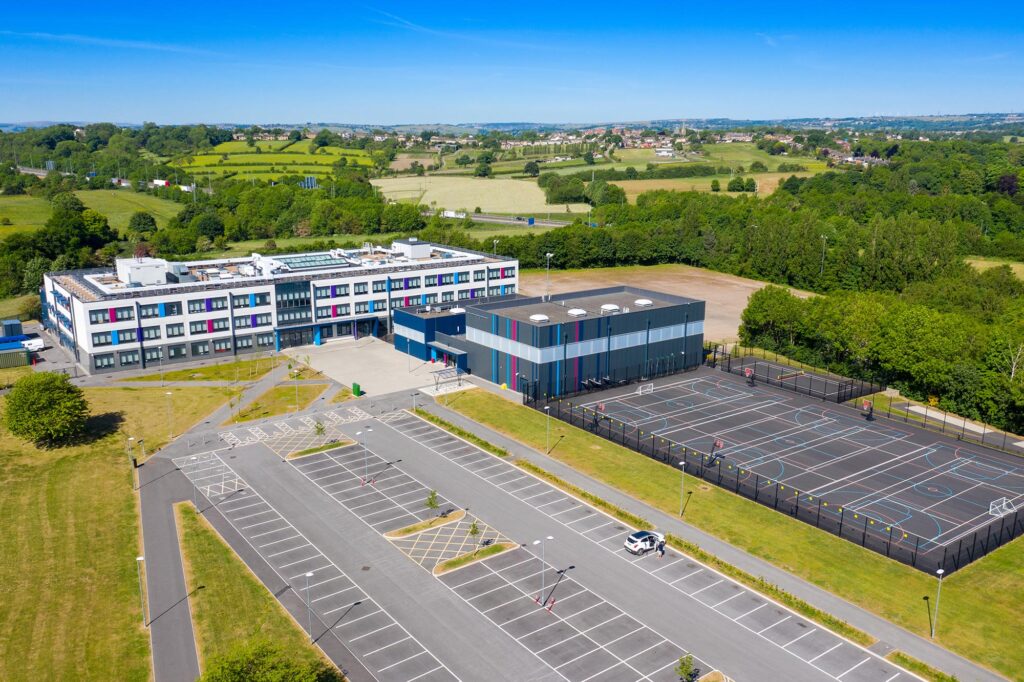
Major events are changing. Not just in scale, but in risk.
Temporary HVM is becoming a critical part of how events are designed and protected. This is not a regional issue. It is a global shift in how public safety is understood.
The conversation has moved beyond terrorism alone. It now reflects something broader and more immediate. Vehicles entering crowded spaces, whether through intent, error, or poor judgement.
From parades and marathons to city centre events and outdoor hospitality, the challenge is the same everywhere. Open environments designed for people are, by definition, difficult to secure.
The question is no longer theoretical.
How do you prevent vehicles from reaching people in spaces that are meant to remain open?
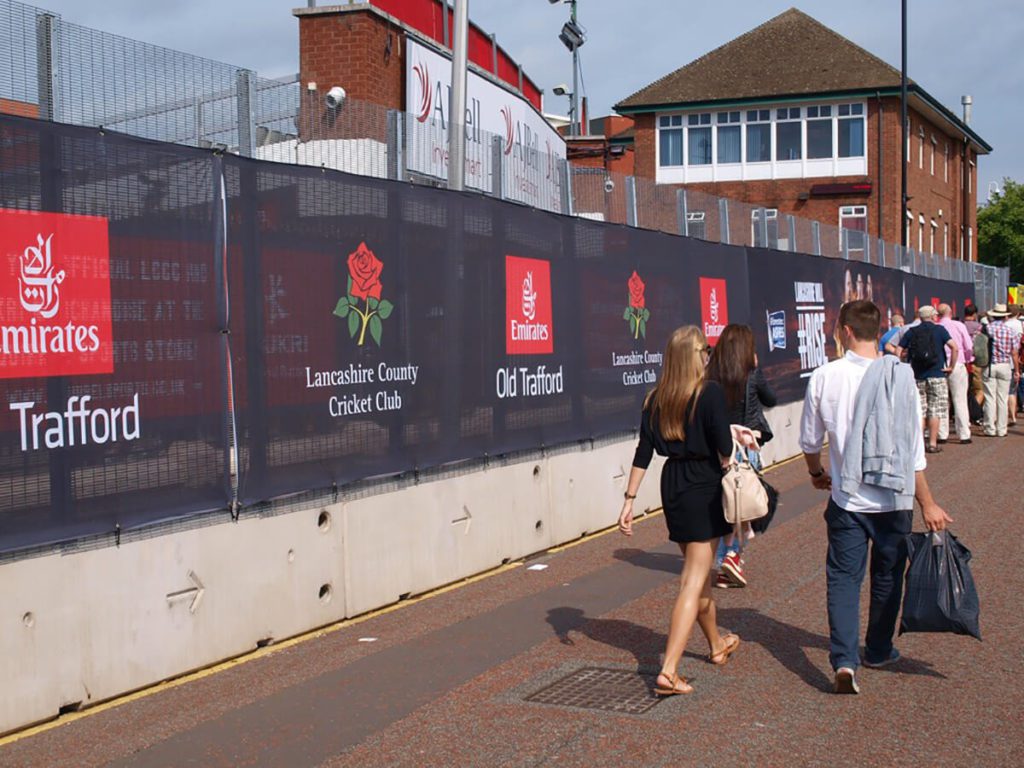
A Shift Driven by Real-World Incidents
Events such as the Waukesha Christmas parade attack highlighted the devastating consequences of a vehicle entering a defined event route.
In the UK, incidents in places such as Liverpool have reinforced the same vulnerability. Crowded, accessible environments where there is little or no separation between vehicles and people.
These incidents are not always acts of terrorism. Many are the result of everyday circumstances. A wrong turn. A loss of control. A poor decision at the wrong moment.
But the outcome is consistent.
Unprotected space allows vehicles to reach people.
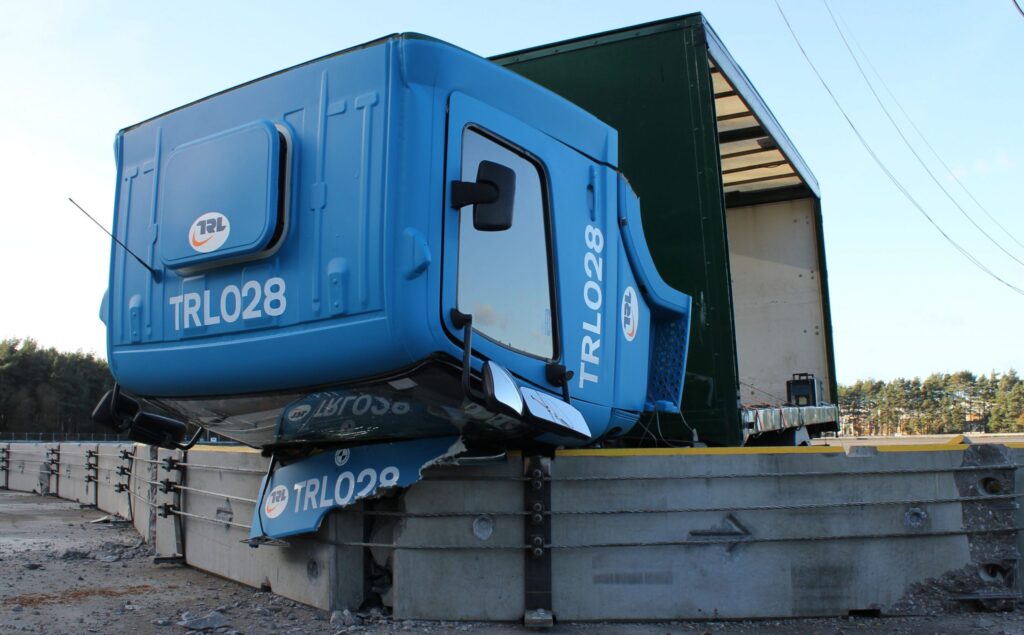
From Risk Awareness to Legal Responsibility
What has changed most significantly is not just awareness, but expectation.
In the UK, the introduction of Protect Duty, commonly known as Martyn’s Law, is formalising the requirement for those responsible for public venues and events to consider and mitigate threats to people.
While primarily focused on counterterrorism, its implications are broader.
It reinforces a fundamental principle:
If a risk is foreseeable, it must be considered.
And in today’s environment, the risk of a vehicle entering a crowded space is clearly foreseeable.
This is not just guidance. It is becoming part of how events are planned, approved, and delivered.
Why a Single Solution Is Not Enough
One of the most common misconceptions is that vehicle mitigation can be addressed with a single product. A barrier placed at the edge of a site. A line of blocks. A visible deterrent.
In reality, this approach rarely reflects how events operate.
Access is required. Crowds move. Environments change throughout the day.
Security that relies on a single line of defence assumes everything works perfectly. Real environments do not.
Effective protection comes from designing a system, not selecting a product.
A Layered Approach to Temporary HVM
The most effective event environments are those where protection is built in through layers.
- An outer line of tested vehicle mitigation provides the primary defence.
- Access points are controlled, not improvised.
- Secondary measures guide pedestrian movement and maintain separation.
- Operational planning ensures that the system works in practice, not just on paper.
Each element supports the other.
This is what transforms a collection of products into a coherent perimeter strategy.
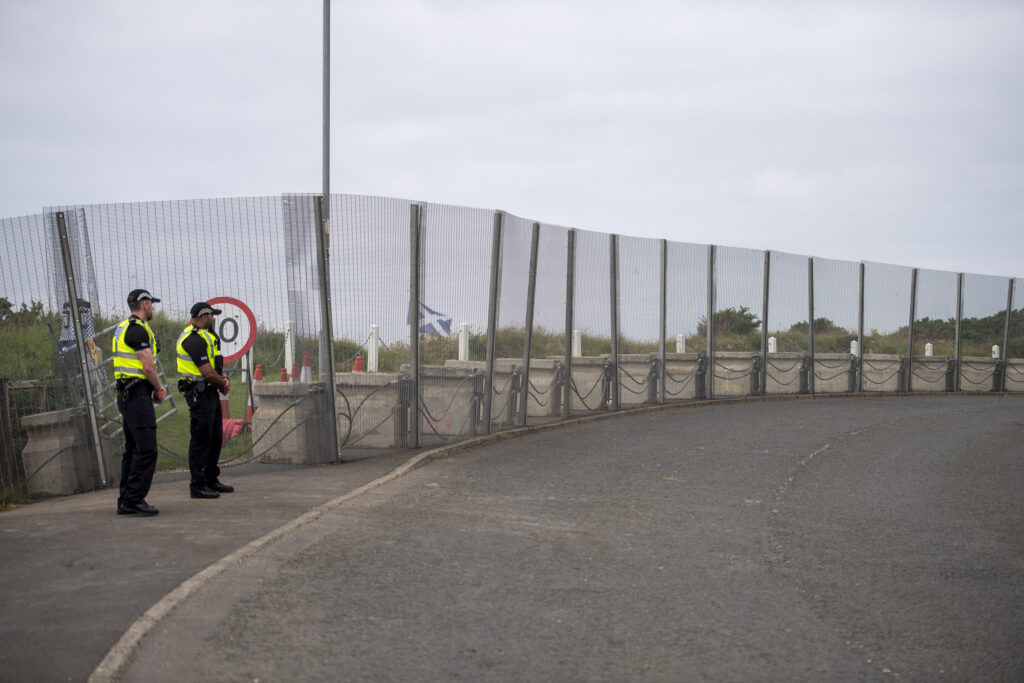
Designing for Everyday Reality
The key shift is not just in what we design, but how we think about it.
This is no longer about designing solely for deliberate attack. It is about designing for real-world conditions.
- You cannot control driver behaviour.
- You cannot eliminate human error.
- You cannot predict every scenario.
But you can control what happens when a vehicle reaches the edge of a crowd.
Well-designed, layered HVM ensures that it does not go any further.
Raising the Standard of Event Protection
Across the UK, the US, and globally, expectations are increasing.
Event organisers, local authorities, and security consultants are moving away from improvised measures towards tested, repeatable, and engineered solutions.
Not because they are more visible, but because they are more reliable.
This is particularly important in temporary environments, where infrastructure must be deployed quickly, perform consistently, and integrate with the wider event operation.
Conclusion
Temporary HVM is becoming critical because the standard for public safety has changed.
It is no longer enough to demonstrate intent. Protection must be designed, proven, and delivered consistently.
And increasingly, it is understood that the risk is not just deliberate.
It is every day.
- Vehicles will always be part of the environment.
- The role of perimeter design is to ensure they do not become part of the incident.
And that is not achieved through a single product.
It is achieved through a layered, considered approach that works in the real world.